What Microsoft’s Latest Study Means for the Future of PR
Artificial Intelligence is rapidly redefining how industries operate — and public relations is at the heart of this evolution. In a groundbreaking new study, Microsoft Research analyzed over 200,000 real-world AI interactions, and the results are clear: PR professionals are among the most exposed — and empowered — by AI advancements.
But is this cause for concern, or a call to adapt? At 360 Chartered PR Consultants, we believe this is an opportunity for communications professionals to innovate, lead, and elevate their strategic role within organizations.
PR and AI: A Wake-Up Call from Microsoft
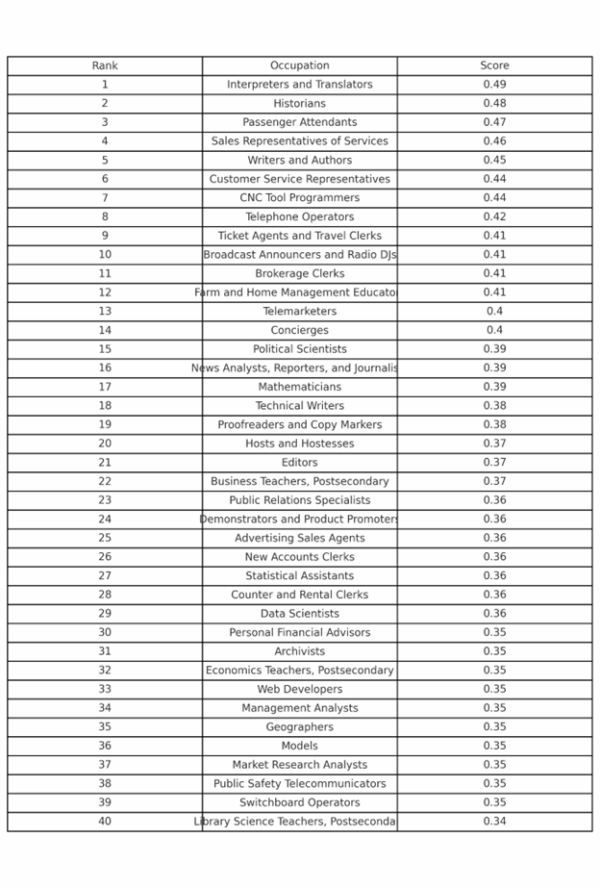
The study ranked over 600 professions based on how likely their core functions are to be impacted by AI. Here’s what stood out:
- Public relations specialists ranked 23rd among individual occupations impacted by AI, with a score of 0.36 — affecting over 275,000 professionals in the U.S. alone.
- Media and communication roles ranked No. 1 among all broader occupational groups, with a score of 0.39, touching over 600,000 professionals.
At first glance, this might seem alarming. But it simply reflects the reality: PR work involves a high degree of tasks that AI excels at — language processing, content creation, and information management.
Why PR Work Is Particularly AI-Vulnerable
The study uncovered three core areas where AI demonstrates strong capabilities — all of which overlap with modern PR functions:
1. Research and Information Gathering
AI can scan thousands of sources in seconds, analyze patterns, and compile relevant data faster than any human. This enhances:
- Media contact research
- Industry trend tracking
- Competitor analysis
- Background prep for pitches and campaigns
2. Writing and Content Generation
AI-powered tools can now draft high-quality:
- Press releases
- Social media posts
- Media statements
- Blog articles
- Email pitches
Writers and authors were ranked 5th in terms of AI impact, which underlines how closely PR writing is aligned with automation potential.
3. Communication and Advisory Roles
AI systems are increasingly able to offer advisory support, such as:
- Drafting messaging strategies
- Recommending communication tones
- Simulating stakeholder responses
- Offering real-time feedback on sentiment
These capabilities suggest that AI isn’t just a tool — it’s an evolving collaborator in PR work.
What AI Can’t Replace in PR
AI might handle the tactical aspects of PR, but the strategic and emotional core of our profession remains deeply human.
Here’s what AI can’t do:
- Build long-term relationships with journalists, influencers, and stakeholders
- Navigate cultural nuance in international communication
- Exercise ethical judgment in complex or crisis scenarios
- Think creatively in campaigns and storytelling
- Understand brand voice and tone on a deep, intuitive level
- Advocate for purpose-driven values and social impact messaging
The professionals who will thrive in the AI era are those who combine automation with human strategy.
How PR Teams Are Already Using AI
Across the industry, forward-thinking agencies and in-house teams are already using AI tools to:
Monitor the Media Landscape
AI-powered platforms scan news, blogs, and social media to detect:
- Brand mentions
- Industry sentiment
- Potential crisis signals
Personalize Content and Outreach
AI can:
- Tailor messages to journalist interests
- Customize newsletter content
- Segment audiences by behavior
Enhance Crisis Communication
AI helps draft real-time crisis statements, assess social sentiment, and provide response frameworks based on historical data.
Measure Performance
AI analytics allow for better tracking of:
- Media coverage quality
- Campaign ROI
- Audience engagement
Embracing the Opportunity: What PR Professionals Should Do Now
AI isn’t here to take your job — it’s here to transform your job. Here are three steps to stay ahead:
1. Adopt AI Tools for Tactical Tasks
Use AI for:
- Drafting first versions of content
- Summarizing research reports
- Compiling media lists
- Analyzing campaign performance
This frees up your time for strategy and creativity.
2. Sharpen Your Human-Only Skills
Focus on the capabilities AI can’t replicate:
- Strategic thinking
- Creative problem-solving
- Emotional intelligence
- Reputation management
- Ethical decision-making
These are what will define leadership in the next era of PR.
3. Lead the AI Transition Internally
Be the voice of innovation in your agency or organization. Learn how AI works, what tools to trust, and how to integrate it responsibly. Lead the creation of:
- AI usage policies
- Ethical content standards
- Vendor evaluation frameworks
A New Era of PR Strategy
As Microsoft’s research shows, AI is not a future trend — it’s already transforming PR. But this is not the end of communications as we know it. In fact, it may be the most exciting time in the history of our profession.
At 360 Chartered PR Consultants, we help companies blend tradition with technology — offering PR strategies that are not just reactive but future-ready. We guide brands in:
- Integrating AI into content workflows
- Developing ethical communication strategies
- Creating AI-informed media plans
- Enhancing digital brand presence with data-driven insights
Final Thoughts: Adapt or Get Left Behind
The choice facing PR professionals today is simple: embrace AI or risk falling behind. Those who lean in, learn the tools, and build on their human advantages will thrive in a new era of smart, strategic communication.
AI might change how we work — but it won’t change why we work: to connect, inform, and build trust.
Source: Social Media Today
Find more information here: https://bit.ly/360PR_blog
For more information contact us at: team@360pr.pixxels.dev