Gen Z may not be the generation that grew up with fully developed AI tools, but it has quickly become the generation that embraces and shapes them. From studying and shopping to discovering news and forming opinions, LLMs and AI-powered platforms have become integrated into the way young people interpret and navigate the world. As the Digital 2026: Global Overview Report reveals, Gen Z’s digital behavior stands apart from any generation before it, redefining how information is consumed and how trust is established online. For PR professionals, understanding these shifts is crucial for staying competitive in an AI-driven environment.
1. Reputable Sources Matter More Than Ever
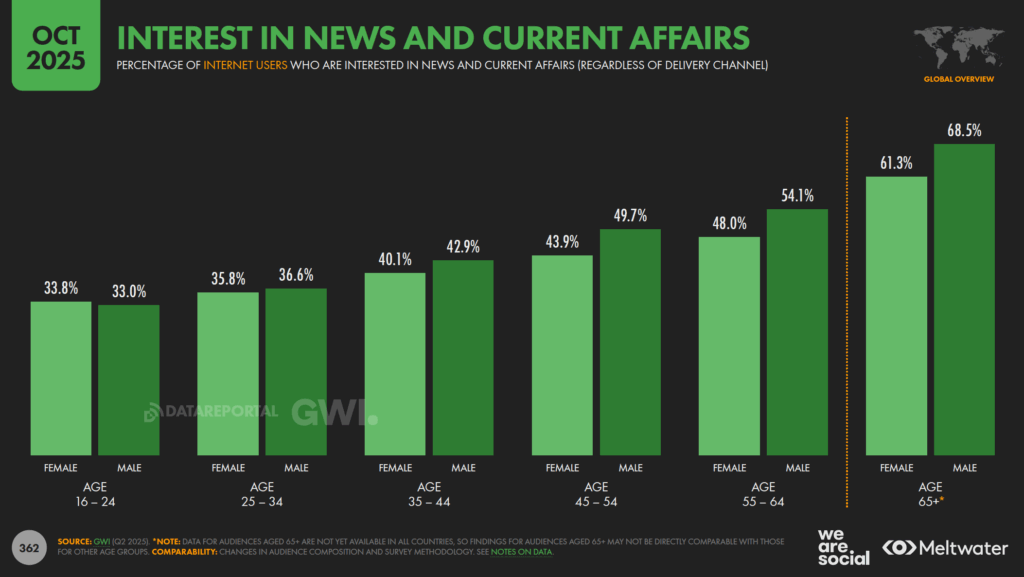
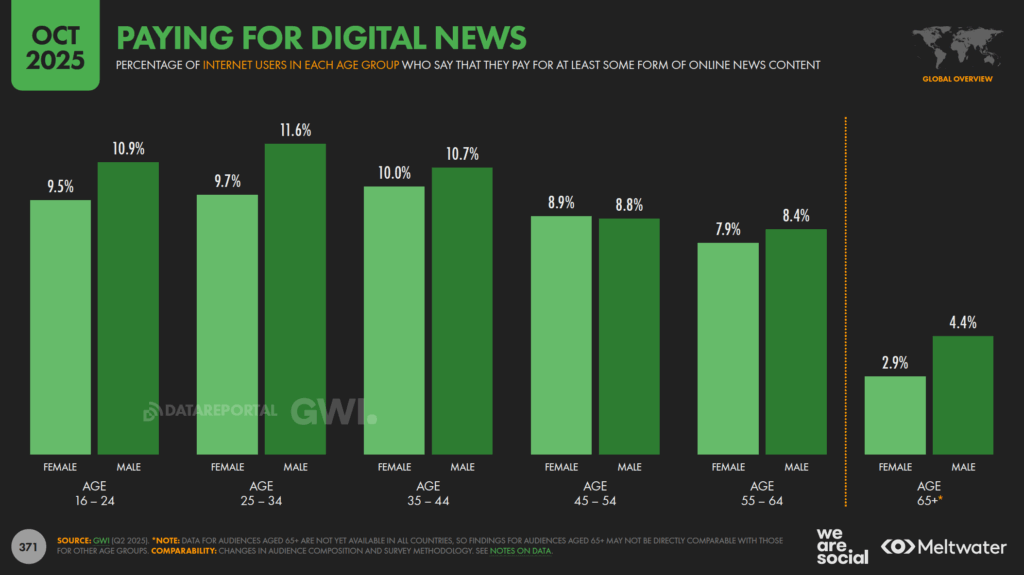
Even though Gen Z has unlimited access to information, they still care deeply about credibility. The data shows that while older generations are more interested in news overall, Gen Z and younger Millennials are more likely to pay for digital news content. This signals a strong preference for trustworthy, well-curated information rather than random content circulating online.
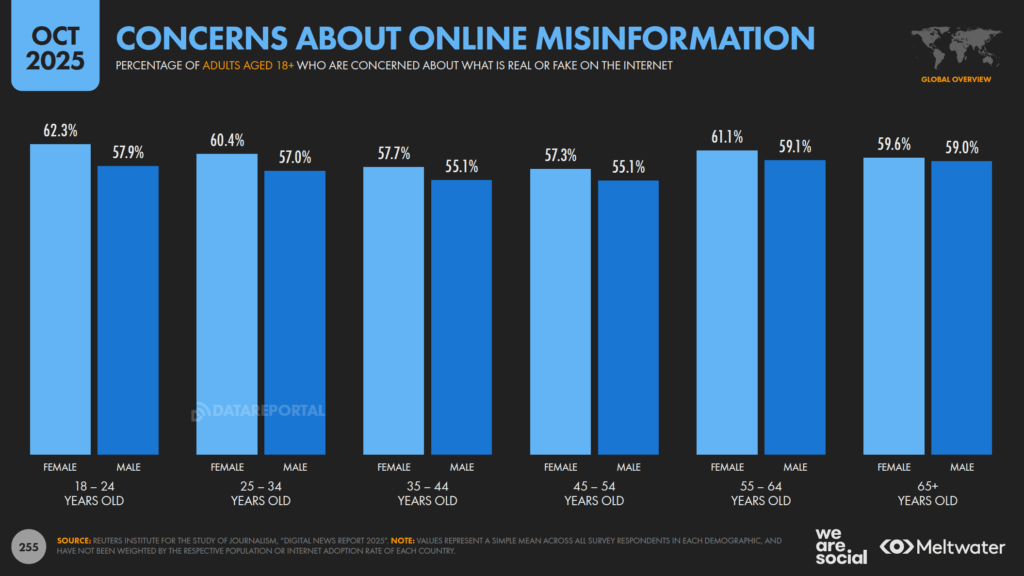
Concerns about misinformation amplify this trend. Although most internet users across age groups express worry about fake news, the highest concern comes from women aged 16–24. Their heightened caution reflects Gen Z’s desire for accuracy, reliability, and transparency when consuming information.
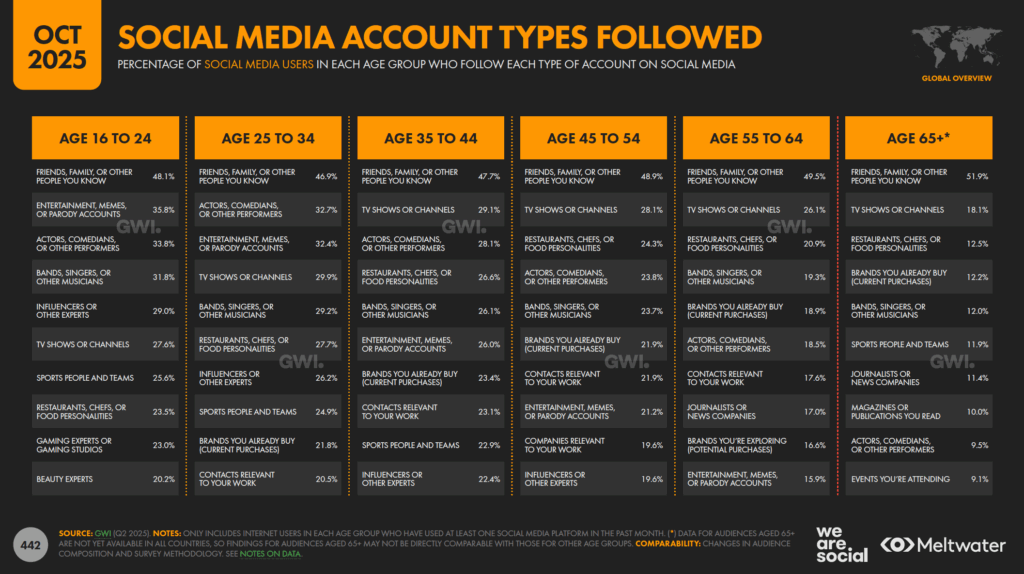
But credibility for Gen Z looks different than it did for older generations. Traditional media outlets no longer dominate trust. Instead, Gen Z often relies on nontraditional sources—niche creators, specialized experts, and influencers—who feel more relatable and aligned with their values. More than one in four social media users aged 16–24 follow influencers or expert creators for news, whereas journalists don’t even appear among their top 10 most-followed sources.
This means PR teams need to rethink where influence actually happens. AI-powered vetting tools can help identify credible creators, analyze their audiences, and measure sentiment, making it easier to form effective partnerships.
Key point:
- PR strategies must prioritize the channels and voices Gen Z considers reputable—not just legacy media.
2. Voice and Image Search Are Reshaping Discovery
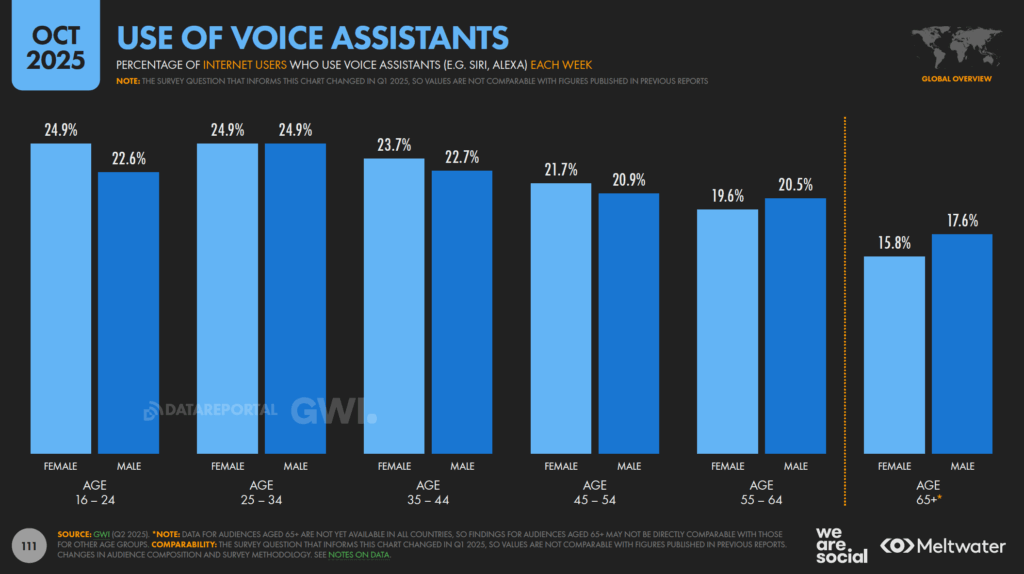
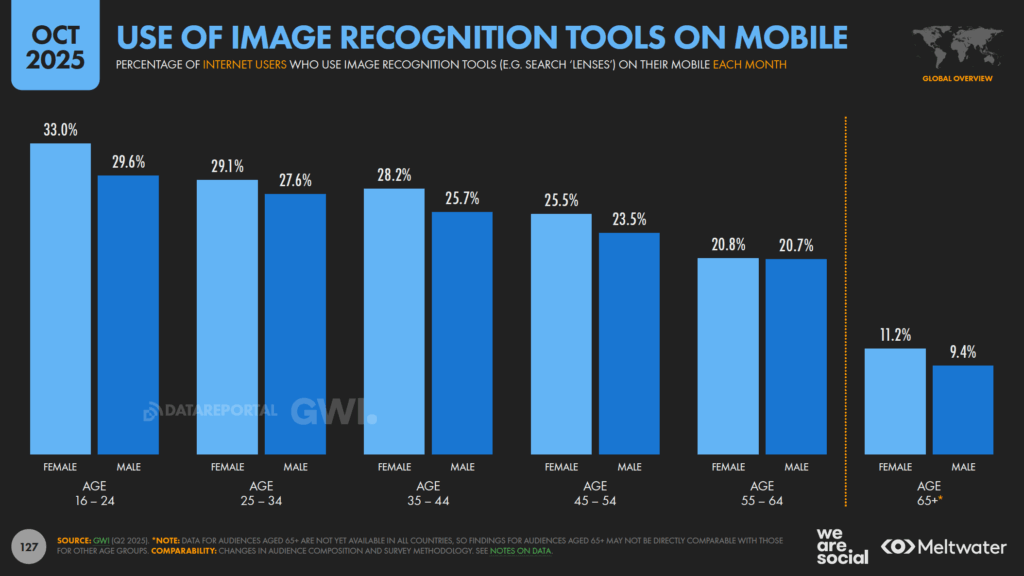
AI-driven search is no longer a future trend—it’s already here, and Gen Z is leading its adoption. Voice assistants and image-recognition tools are becoming integral to how this generation finds information. Nearly one in four people aged 16–24 use voice search weekly, and this age group is the biggest user of mobile image search tools like Google Lens.
These modes of search reflect Gen Z’s preference for efficiency. Instead of typing long queries, young users ask Siri for answers or point their phone camera at an object for instant information. As AI search engines grow more sophisticated, they increasingly rely on authoritative sources, structured information, and properly optimized content.
For PR professionals, this shift introduces new requirements. It’s no longer enough to craft compelling messaging—content must also be structured in ways that AI can understand, categorize, and serve to users.
This includes:
- High-quality, clear imagery
- Accurate and descriptive metadata
- Well-structured copy that AI can interpret
- Regular monitoring of how AI tools portray your brand
Tools like Meltwater’s GenAI Lens enable PR teams to see how LLMs summarize or describe their brand across platforms, offering valuable insights into digital reputation at an AI level.
Key point:
- If PR content isn’t optimized for voice and visual search, it risks disappearing from Gen Z’s discovery path.
3. Social Short-Form Video Is the Core of Gen Z Engagement
Video continues to dominate online content, but short-form formats have taken the lead—and Gen Z is driving the trend. The average internet user spends more than 11 hours weekly watching online video, but over half of that time goes to short clips such as TikToks, Reels, and YouTube Shorts. The youngest users are the heaviest consumers: female users aged 16–24 watch nearly 10 hours of short-form video each week, and male users are not far behind.
Short-form video appeals to Gen Z because it matches their communication style—fast, visual, and highly engaging. These videos deliver entertainment, news, product recommendations, and educational content all in under a minute. As a result, they shape trends, influence opinions, and often become the first point of contact between young audiences and organizations.
For PR teams, integrating short-form video is no longer optional. AI tools make the process more manageable by simplifying editing, scripting, repurposing, and analyzing performance. Social listening platforms with visual analytics deepen understanding of what resonates across audiences, helping PR teams shape their messaging accordingly.
Effective short-form PR video can support:
- Announcement amplification
- Crisis communication
- Executive thought leadership
- Campaign storytelling
- Press release highlights
Key point:
- Short-form video is now the most powerful format for capturing Gen Z’s attention and driving message retention.
TL;DR: Gen Z Requires a New PR Approach Powered by AI
The Digital 2026 report makes one thing clear: Gen Z consumes information differently—through creators over journalists, AI search over traditional browsing, and short-form video over long content. They value speed, accuracy, and trustworthy voices, and they rely on AI in ways older generations never did.
To stay relevant, PR professionals must evolve alongside these behaviors. That means leveraging AI tools for monitoring, optimizing content for emerging search modes, collaborating with Gen Z-trusted creators, and producing high-quality short-form video content that resonates.
These insights represent only the beginning of how Gen Z is reshaping the communication landscape. But they offer a strong foundation for any PR strategy aiming to stay competitive in an AI-first era.
Source: Social Media Today
Find more information here: https://bit.ly/360PR_blog
For more information contact us at: team@360pr.pixxels.dev